




































Ecommerce order management: all your orders, in one system
Make picking and packing more efficient with smarter order management and automated shipping for faster, more accurate fulfilment.
Reduce picking and packing errors
Scale without manual processes
Integrate with all major marketplaces and webstores
4 levels of barcode validation for picking

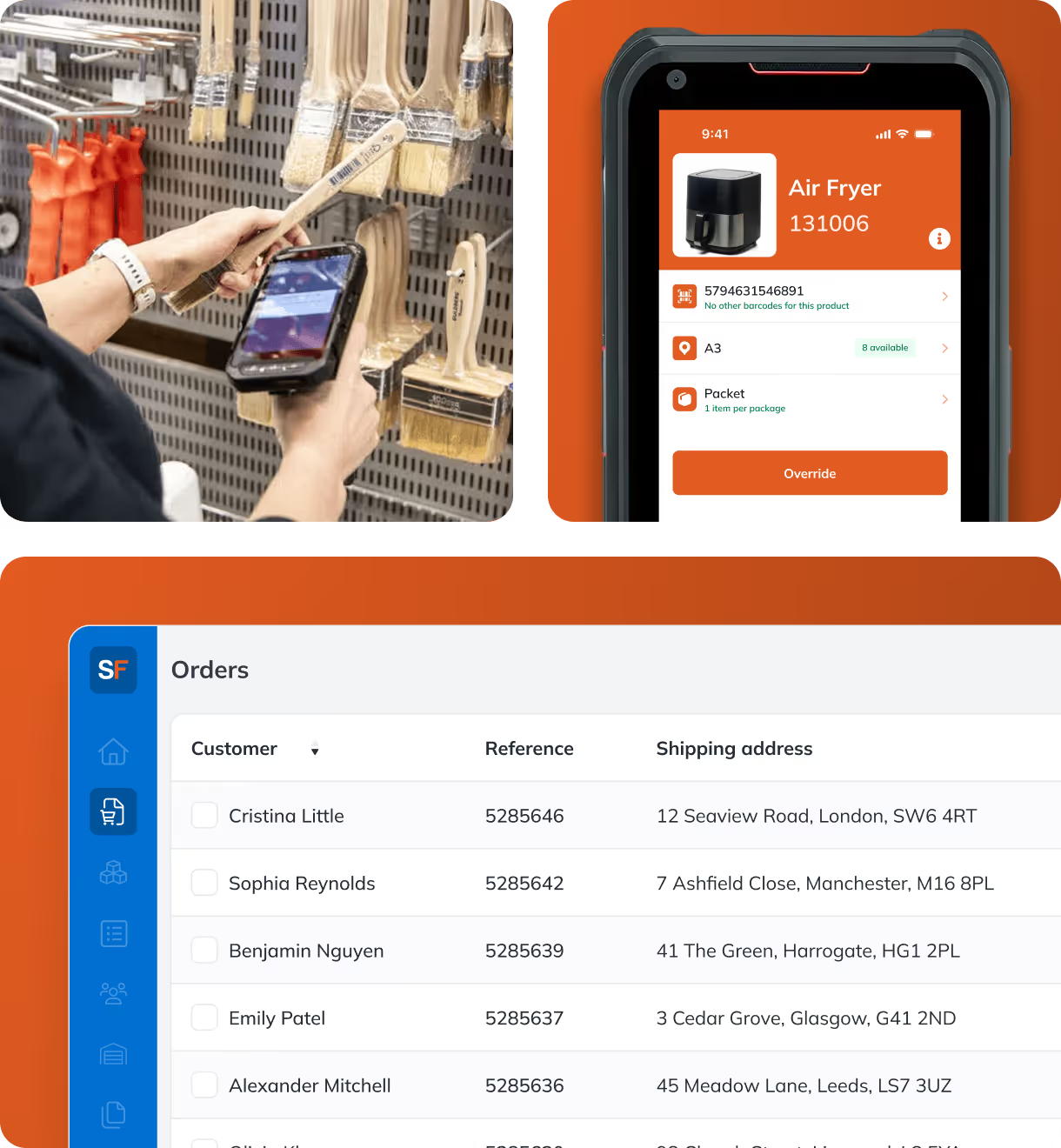
Trusted by eCommerce retailers and fulfilment providers who:
Pick orders correctly, with
99.95%
accuracy
Are product led, with
30%
faster processing
Get new staff up to speed in just
5
minutes
Have a partner they can rely on with a
4.8/5
Trustpilot rating








.svg)
StoreFeeder has significantly improved our outbound accuracy. If you scan the wrong item against the wrong order, it gives you an error message. It won't let you proceed until you get the right product. Our miss pick and short pick standards against the industry are superb.
DavidOperations Manager, H2E Commerce

Traditional order management slows you down

Manual processes create errors and delays
Spreadsheets and disconnected systems increase the risk of mispicks, slow down fulfilment, and lead to costly mistakes as order volumes grow.

Too many channels, not enough visibility
Managing orders across multiple marketplaces and webstores makes it difficult to see what needs picking, packing, or despatching at any given time.

Growing volumes stretch warehouse teams
As order volumes rise, manual workflows fail to scale, forcing staff to spend more time checking and correcting orders instead of fulfilling them.
Manage your orders with confidence, accuracy and speed
Centralised order management
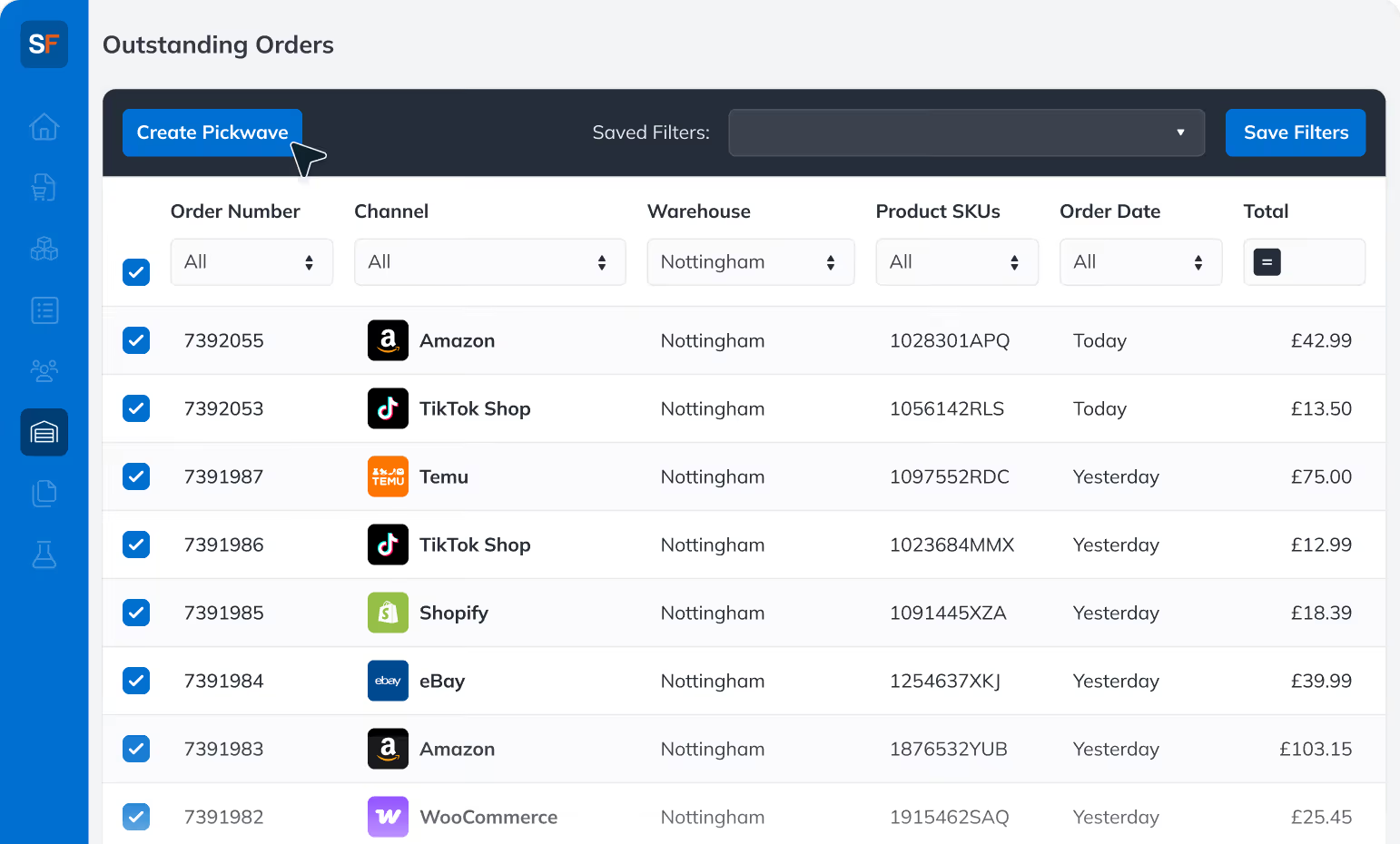
Manage every order in one place
Bring all your orders together in a single, easy-to-use system.
View and process orders from every sales channel in one dashboard
Adjust order statuses automatically
Remove manual checks and duplicated work
Validated picking
Pick the right items every time
Reduce mispicks with multiple layers of barcode validation throughout the picking process.
Options to confirm item, location and quantity at every step
Alert staff if the wrong item is scanned
Improve accuracy without slowing teams down
Flexible picking workflows
Work in sync with your warehouse
Choose picking methods that suit your layout, order volumes, and team structure.
Use tote or trolley-based picking
Optimise routes for faster fulfilment
Get new staff productive in minutes
Product led despatch
Pack and ship with confidence
Guide warehouse teams through despatch with clear, step-by-step workflows that ensure accuracy.
Confirm correct products before packing
Reduce packing errors and returns
Maintain high and consistent fulfilment standards
Automated courier allocation
Ship every order efficiently
Apply your rules once and let StoreFeeder automatically select the most suitable courier for each shipment.
Match couriers by weight, service or destination
Reduce manual decision-making
Improve delivery accuracy and speed
Order accuracy without the operational overhead

Automatically validate each pick to reduce errors.

Keep orders moving with clear, automated workflows.

Track every order
from picking through
to despatch.

Catch mistakes before parcels leave the warehouse.

Get new staff fulfilment ready in minutes.
What you can do with StoreFeeder

Order
fulfilment
fulfilment

Returns
management
management

Scan and
despatch
despatch

Inventory
management
management
Frequently
asked questions
What is warehouse order management?
Warehouse order management covers the full lifecycle of an order, from goods in or receipt through picking, packing and despatch, helping teams process orders accurately and efficiently.
How does StoreFeeder reduce picking errors?
StoreFeeder offers four levels of validated picking to confirm the correct product and location at each stage, reducing mispicks before orders reach packing.
What picking methods does StoreFeeder support?
StoreFeeder supports both tote and trolley picking, as well as individual/consolidated picking, allowing businesses to choose the workflow that best suits their warehouse layout and order volumes.
How does StoreFeeder support accurate despatch?
Product-led despatch guides warehouse teams step by step through packing and shipping using barcode validation, ensuring each order is checked and sent correctly.
Is StoreFeeder suitable for growing eCommerce businesses?
Yes. StoreFeeder is designed to scale as order volumes increase, helping growing teams maintain accuracy and efficiency without adding manual processes.


Take control of your order fulfilment
Book your free 30-minute demo to see:
.svg)
How your picking, packing, and despatch workflow can be improved with StoreFeeder
How validated picking and product led despatch improve accuracy
Transparent pricing for your business size
Your implementation timeline and onboarding process
Option of monthly or annual contract
Thank you! Your submission has been received!
Oops! Something went wrong while submitting the form.


ROI CALCULATOR
Calculate your savings with StoreFeeder
Find out how much time and money you'd save by switching your warehouse operations to StoreFeeder using our ROI calculator.